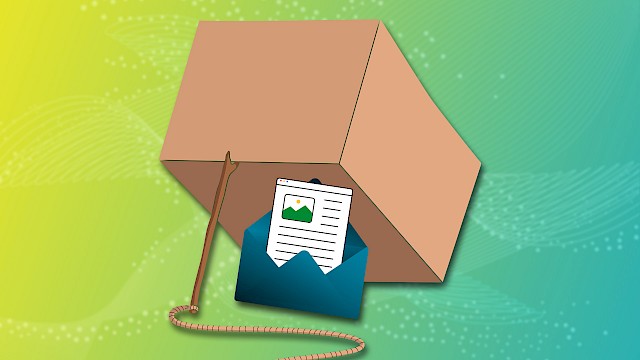
Phishing emails often begin with an impersonal form of address such as "Hello" or "Dear customer". In such cases, it's time to #watchout!
19.05.2026 –A neutral form of address indicates that the sender does not know your real name and is trying to lure you into a trap. If you are not sceptical on such occasions and therefore click on a link, you could end up on a fake website and quickly lose a lot of money.
Here’s how to protect yourself:
- Think twice about whether the e-mail is genuine.
- Delete messages if the message does not address you by your name.
- Do not click on any links if you are not sure that you can trust the sender and that the message is actually intended for you.
- Never pass on personal data such as PIN codes, SMS codes or passwords.
In addition, always remember that: Companies with which you have a customer relationship know you by name. Your bank and your card provider will never contact you by e-mail to ask for information.
Read more News
How to react if your card goes astray
What you should do if your card is lost, stolen or suspicious charges appear in your card… Read more

People represent the biggest security vulnerability
Technology makes cashless payments safer than ever before. Scammers know this too. That’s why they… Read more
Last chance: A mammoth competition
Protect yourself against phishing and win a prize! Don’t miss Card Security's mammoth… Read more