
The national campaign S-U-P-E-R.ch on the topic of cyber security launched by the Nationale Zentrum für Cybersicherheit (Swiss National Cyber Security Centre), the Schweizerische Kriminalprävention (Crime Prevention Switzerland), and the Swiss Police Corps aims to raise public awareness of cyber attacks via email or messenger.
15.09.2022 –15.09.2022 – Cyber attacks on individuals are becoming more and more frequent, with a range of different approaches being used. These include, for example, a payment request for a parcel that was not delivered or promising high returns or extorting money for alleged naked photos of a victim.
Request from “false banks” to update credit card details is one of the most frequent scam tactics used by cyber criminals. These types of phishing emails often look so professional that trusting victims unwittingly reveal all of their card details. As a result, the criminals are free to make purchases or cash withdrawals using the card.
The victims of such cyber attacks are later often themselves surprised about their own gullibility. It is therefore even more important that we regularly report on the latest scam tactics being used in order to protect and raise awareness amongst the public.
The new S-U-P-E-R.ch campaign focuses on five key precautions:
S = Safety of data
U = Updates to systems, programs and apps
P = Protecting devices with anti-virus programs and firewalls
E = Employing secure passwords
R = Reducing the risks of fraud by using caution and common sense
You can find out more about the campaign here. Find out about the latest scams and test your knowledge in the S-U-P-E-R-Check.
Read more News

AI as a helper against card fraud
Why is it so important for card providers and the police to work together to combat card fraud? And… Read more
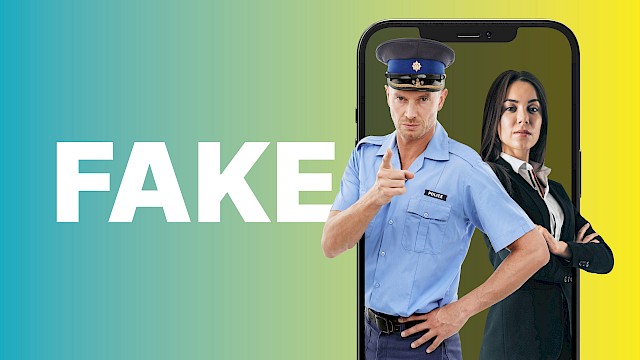
Better protection against fake calls
Fraudsters call pretending to be the police, authorities or banks - a well-known trick. And often… Read more

Love is in the air - and unfortunately so is deceit!
Online scammers are active around Valentine’s Day trying to obtain money or card details with false… Read more

Think first, then click
When your inbox is overflowing and stress levels are rising, it's easy to click on "Act… Read more