
In this fraud, perpetrators mimic the identity of another person. In this way they deceive their victims and sometimes even trick detection systems. Their aim is to steal money. Credit and debit card holders can also become victims of spoofing.
02.11.2023 –This is how you can protect yourself from it:
Browser or e-mail spoofing
Here the fraudster pretends to be the sender of a serious message. Anyone who checks the URL or e-mail address will detect the fraud. And always remember: Financial institutions will never use e-mail to inform you of unusual transactions on your account, nor will they ask for your card details via e-mail.
Caller ID spoofing
The perpetrators create false identities for their telephone connections so that a different number appears on the display of the person called. Healthy suspicion helps here. If in doubt, call the number that is displayed to find out if it has been spoofed. Moreover: Financial institutions will never ask you for your confidential card details over the phone.
Read more News

People represent the biggest security vulnerability
Technology makes cashless payments safer than ever before. Scammers know this too. That’s why they… Read more

Last chance: A mammoth competition
Protect yourself against phishing and win a prize! Don’t miss Card Security's mammoth… Read more
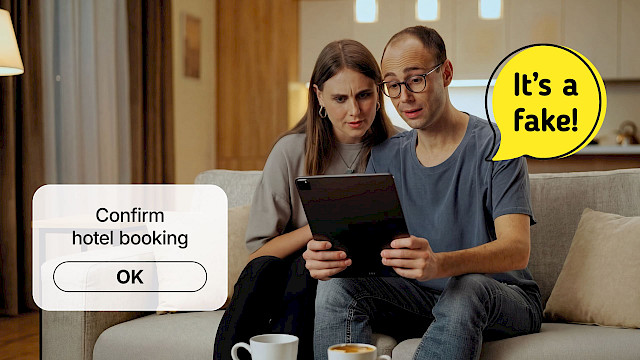
#Watchout – including when you are booking your holidays
«Confirm hotel booking» is the subject line of the email from the online platform. If you don’t… Read more

Big competition
Take part in this major Card Security Competition which closes on 14 October 2026 and, with a bit… Read more