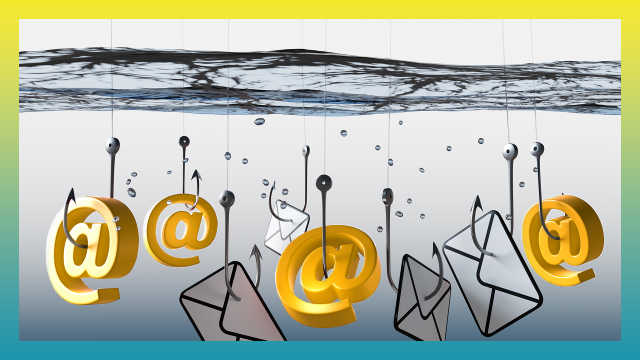
At first glance, they look very similar: Spam mails and phishing mails both fill in-boxes with unwanted messages. But the intentions behind them are quite different. Phishing emails in particular represent a danger to the security of your debit or credit cards.
06.05.2025 –Spam emails are messages sent in large volumes that advertise products or services. They are annoying, but rarely dangerous.
Phishing emails, on the other hand, are deliberately deceptive. They often pretend to come from a trustworthy sender such as a bank or payment service. The intention behind them is to obtain sensitive data such as login or card details. They often contain links to websites that look deceptively genuine, or include infected attachments that intercept data or install malware on the recipient's computer.
How to protect yourself from phishing attacks:
- Distrust messages from unknown senders.
- Always check the sender’s email address and URL.
- Never click on links and never open attachments.
Read more News

AI as a helper against card fraud
Why is it so important for card providers and the police to work together to combat card fraud? And… Read more
Better protection against fake calls
Fraudsters call pretending to be the police, authorities or banks - a well-known trick. And often… Read more

Love is in the air - and unfortunately so is deceit!
Online scammers are active around Valentine’s Day trying to obtain money or card details with false… Read more
Think first, then click
When your inbox is overflowing and stress levels are rising, it's easy to click on "Act… Read more