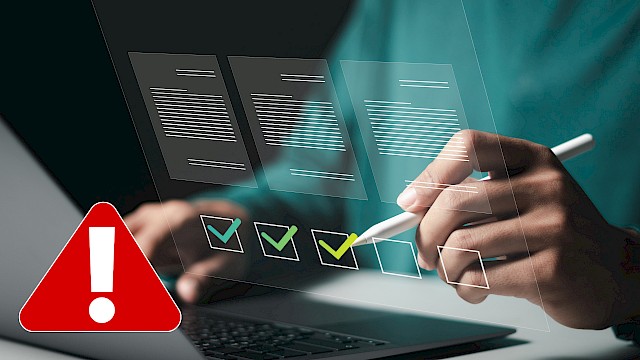
That might sound funny, but the reality is no joke. Fraudsters send out large numbers of messages via email or text message to many thousands of contacts - under false pretences, these messages ask the recipients to verify their details.
07.05.2024 –It is not uncommon for recipients to receive an e-mail or text message, apparently from the Post Office or other delivery service. The recipient is asked to confirm or update their address details or other personal information such as debit or credit card details via a link sent to them.
Anyone who complies with such a request may provide the fraudsters with the last missing bit of information they need to access an account or a card. With this information, the perpetrators can then easily steal money. Always check the sender's address or URL before complying with such a request. Enter your card or account details only if you want to make a specific purchase.
Read more News

AI as a helper against card fraud
Why is it so important for card providers and the police to work together to combat card fraud? And… Read more
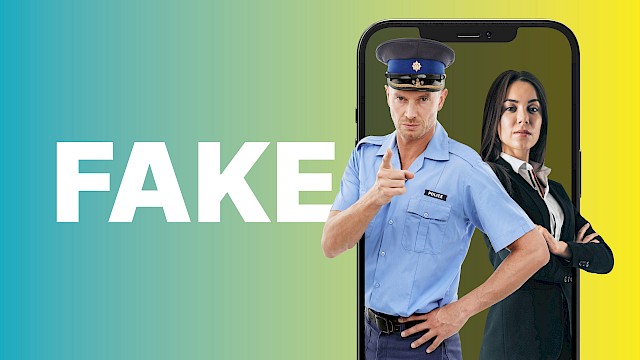
Better protection against fake calls
Fraudsters call pretending to be the police, authorities or banks - a well-known trick. And often… Read more

Love is in the air - and unfortunately so is deceit!
Online scammers are active around Valentine’s Day trying to obtain money or card details with false… Read more

Think first, then click
When your inbox is overflowing and stress levels are rising, it's easy to click on "Act… Read more